


Classic · the family paper · free
To someone, you're the headline.
How it works for a family
Everyone in the family texts photos during the week. The desk writes each one up.
When there are enough stories, a paper goes out to all of you.
Including the ones who would never open an app.
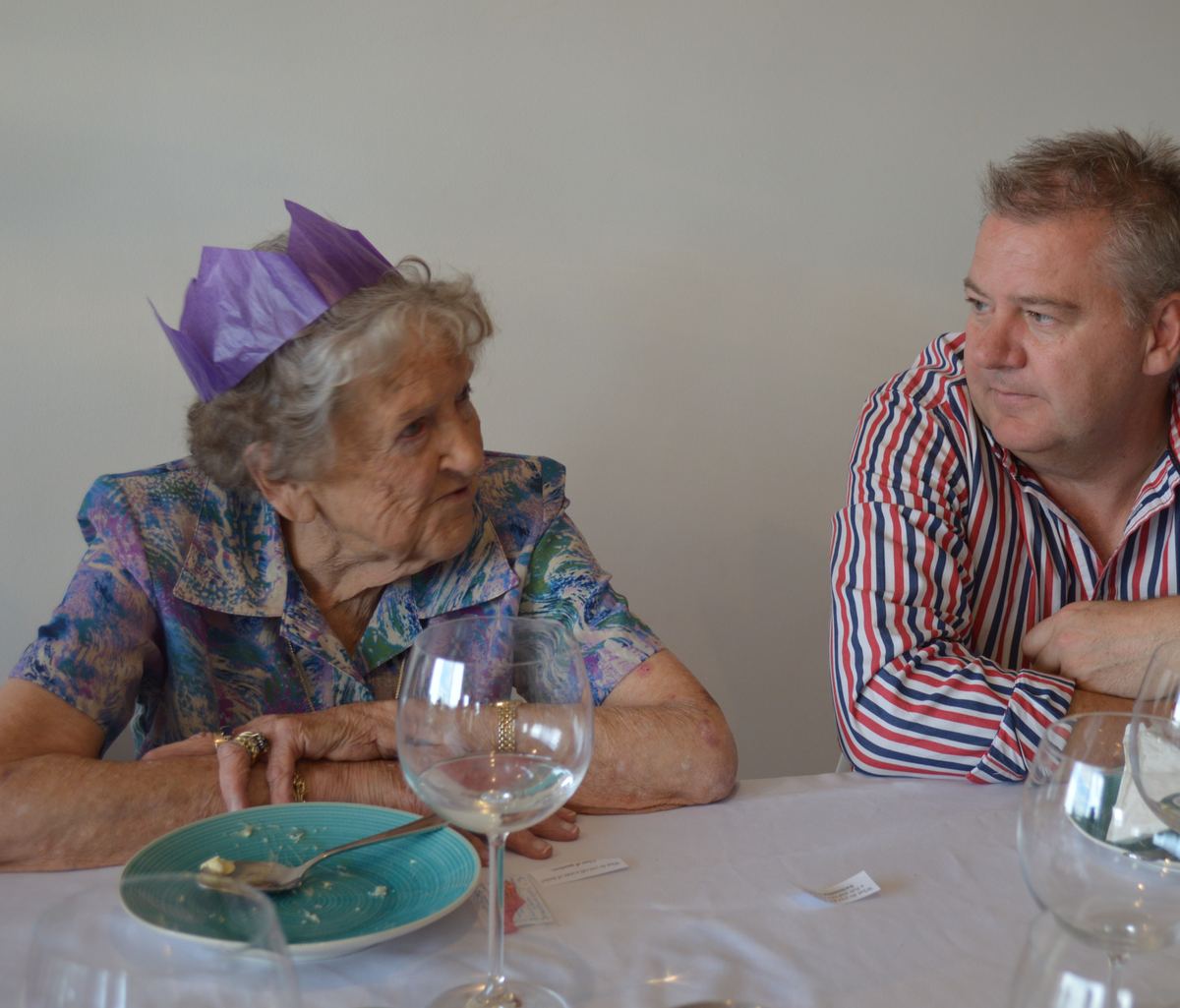
She isn't on the group chat. She reads the paper twice.
You get your own story back in minutes. No app, no sign-up, and the price is one text. The number is at the top of the page.
By texting a photo to Recappit you agree to receive text messages from Recappit about your story. Message frequency varies by conversation. Msg & data rates may apply. Reply STOP to opt out, HELP for help. Text DELETE to erase your photos, messages, and stories. See our Privacy Policy and SMS Terms.
Nothing to download
No app, no store, nobody has to come round and set it up on her tablet.
No password, ever
She doesn't have an account. There is nothing for her to forget, lose or be locked out of.
Nobody can get to her
It isn't a feed. Strangers can't comment, message her, or appear in it at all.
It costs her nothing
Readers never pay, and never will. She is never asked for a card, a detail or a decision.
What arrives
Not a notification. A newspaper.
The Fabulous Francises Gazette
All the news that's fit to print



Somebody in that Melbourne stockroom had a vision — three shelves, wall to wall, every packet the same good red — and Riley clocked it with the calm of a person who already knew. This edition also brings us Andie at the controls of the Big Red Plane, Anthony and Fleur in the West End haze, and a resin cowboy of considerable gravitas standing beside some bananas. The Gazette contains multitudes. As it should.
Andie and Ned Take the Big Red Plane
By Sid Antelope
At Dreamworld, two small pilots seized the controls of the Big Red Plane — and the existential weight of the moment was considerable.
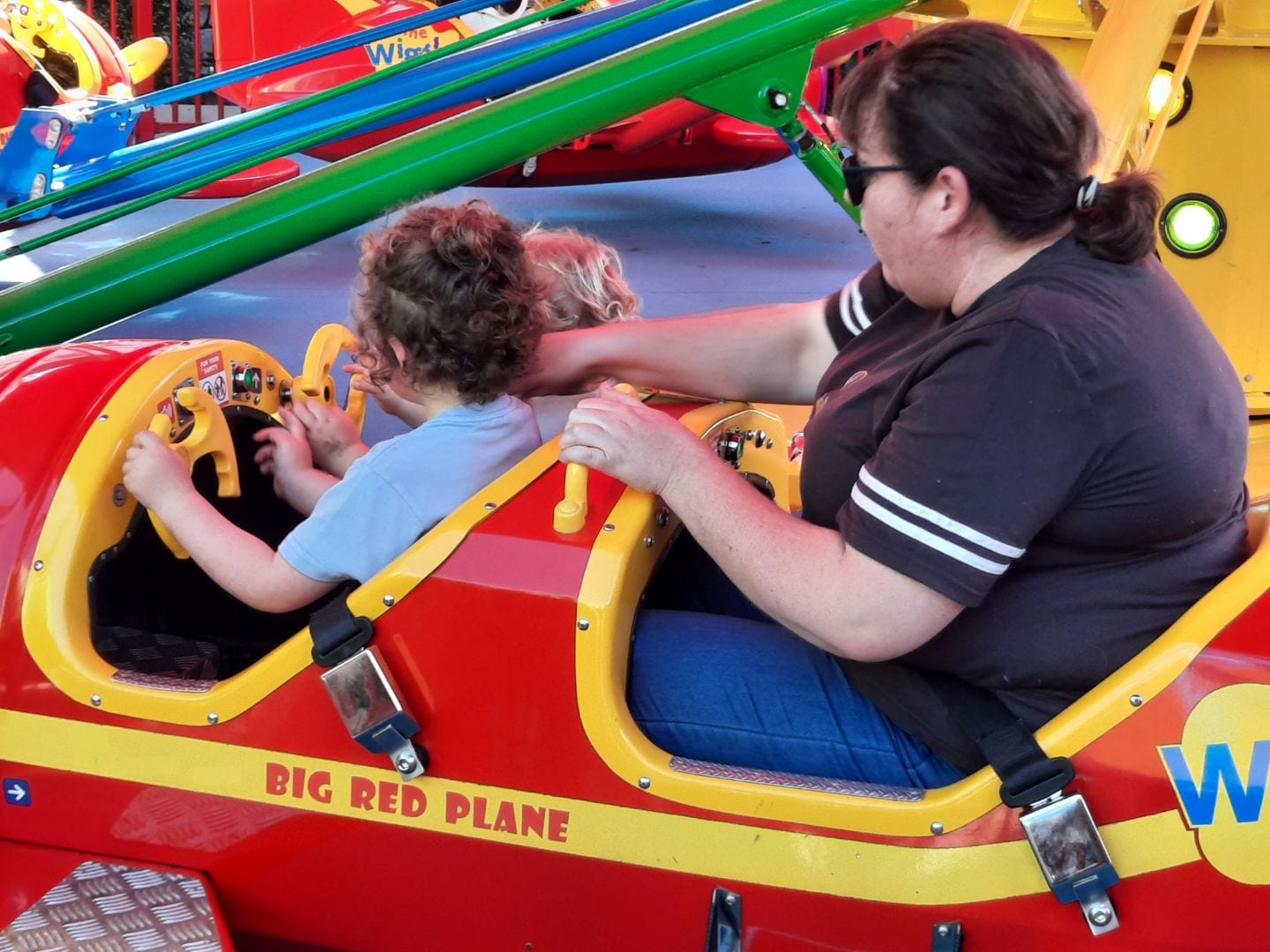
📸 Kate
We open: primary red, hard yellow trim — a Godard palette, unashamed. One curly-haired co-pilot buries both hands into the controls, completely consumed, the world beyond the cockpit simply ceased to exist. Beside them, a steady grown-up presence holds firm — not directing, just being there. The child doesn't perform joy. The child is joy.
“The child doesn't perform joy. The child is joy.”
Breaking news
Riley Has Surveyed The Savoy Situation And The Situation Is: Handled.
By Dot Spaghetti
A Melbourne supermarket has committed to Savoys with the kind of certainty most people reserve for much larger decisions.
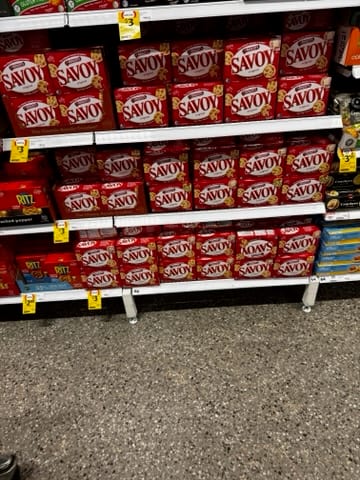
📸 Riley
Three shelves, top to bottom, wall to wall — every packet the same good red, every packet exactly correct. Somebody in that stockroom had a vision and saw it through without flinching. A tidy little row of Ritz holds its position quietly to one side, and we wish them every happiness.
“Somebody in that stockroom had a vision and saw it through without flinching.”
A real edition — scroll it. Written by the paper itself.
She isn't scrolling. She's reading — and there is an end to it, which is the point. Everything about it is made for somebody sitting down with a coffee, not somebody checking a phone in a queue.
Their names are in it. Not "the kids" — spelled right, in a headline she can cut out and keep.
The photographs are big. One good one, printed properly, instead of forty thumbnails she can't make out.
She hears from all of them. Not only the one who remembers to call — everyone's week is in there, including the ones who never say much.
Even the supermarket shelf. Somebody photographed three shelves of biscuits and it became breaking news. Nothing is too small to be in the paper.
And what it took
Four seconds. That's the whole job.
You're already holding the photograph. You don't caption it, crop it, pick the best one or think about who might see it. You send the one you already took, and you get on with your day.
Saturday · 11:52 pm
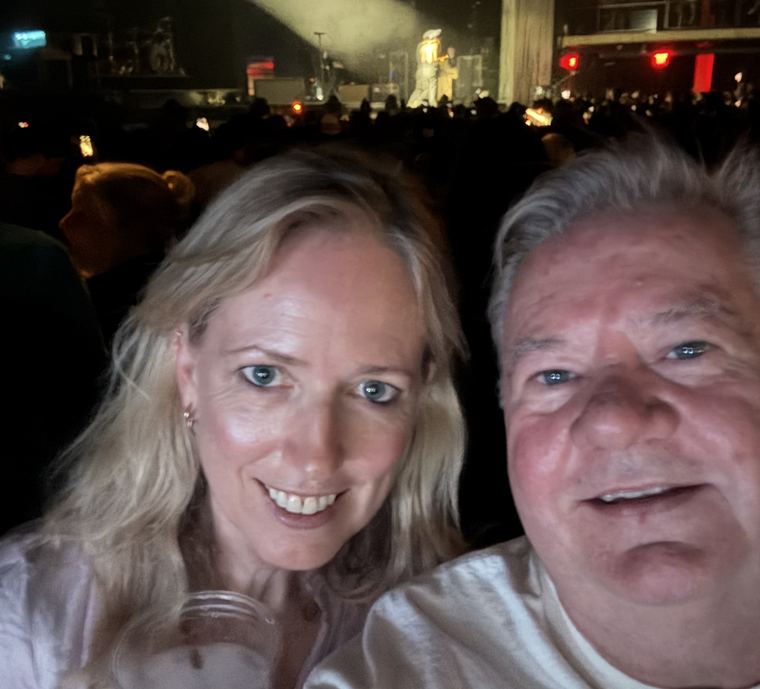
Delivered
— becomes —
Her entire Sunday morning.
A newspaper on her table — the PDF printed at home — with her son and his wife at a concert on page three, big enough to see, and enough about everybody else to fill an hour.
She reads it twice. She'll mention it for a fortnight. And the only thing anybody did was send a picture they'd already taken.
She made all of them. It seems only fair that all of them come back to her — every week, on paper the family prints.
Imagine this too
She isn't the only one it happens to.
One paper, one desk, one photograph at a time — and three completely different reasons a family ends up keeping it.
Sunday, 9:40 am
Her kitchen table
The paper in front of her has her family in it. Andie and Ned are on the front page.
She reads the whole thing twice, and smiles the way only she smiles — with nobody there to see it.
She's on her own, and she isn't.
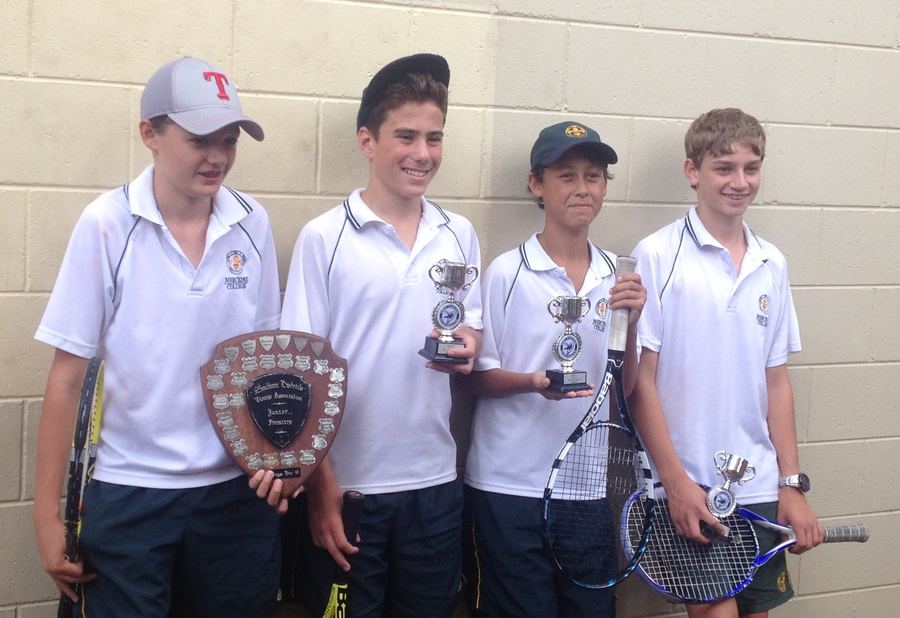
Tuesday, after school
The one who took the photo
He took it, so it's his name printed under it on page two. Nobody edited him, and nobody asked him to write anything.
He checks whether he's in it every week. He always is.
Now he takes photographs on purpose.
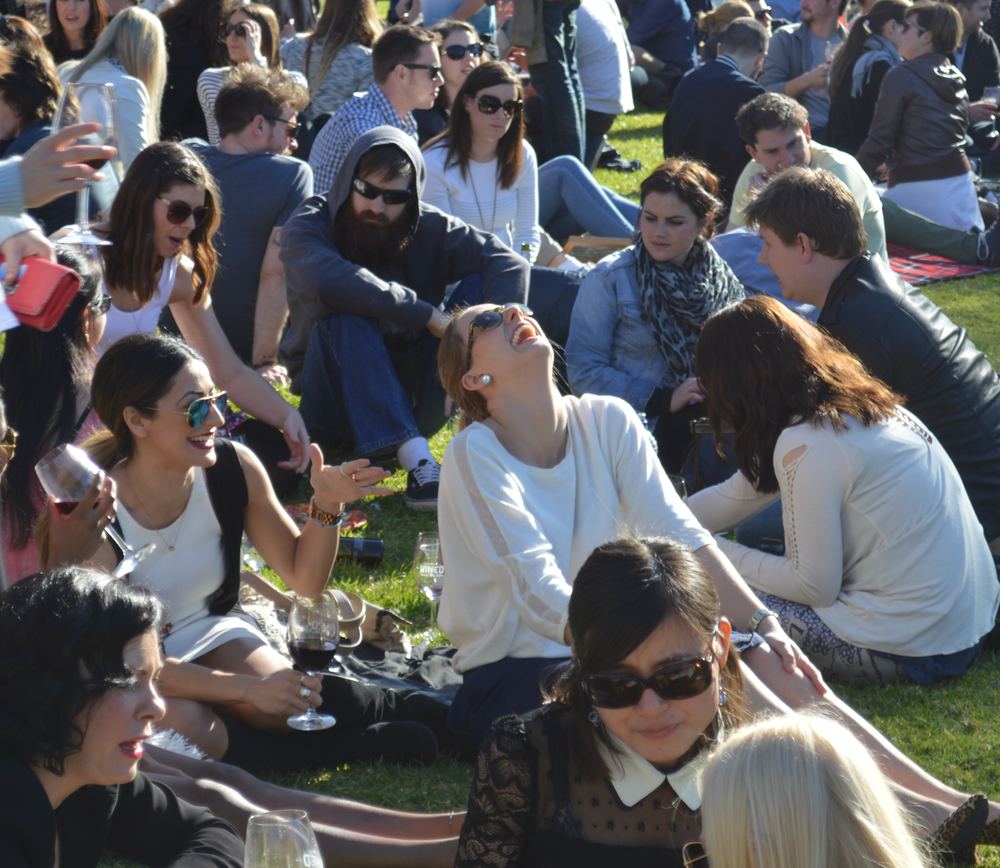
Thursday, eight months later
The ones who scattered
Somebody sends an old edition round the group chat. Nobody can remember why the fire-alarm story was funny, and all of them are laughing anyway.
They've got fifty-one newspapers to prove it.
Who this is really for
Two people in every family. This is built for both of them.
One of them is missing most of it. The other one has been quietly doing the work for years.
The one it's for
She'd never say she was lonely. She'd just like to know what they're up to.
She isn't on the group chat, or she is and it moves too fast, or the great-grandchildren are on an app somebody would have to come and set up. So she gets the news secondhand and weeks late, from whoever thought to mention it.
Now she gets all of it, in a form she already trusts. An hour on a Sunday morning where she is, in every meaningful sense, sitting with her family.
The one who starts it
You've been the family historian for years. Nobody voted.
You take the photographs at Christmas, and chase everyone for the group shot. It is a real job and it is unpaid, and the reason there's no record of last year is that nobody had a spare Sunday to make one.
You stop doing the work and keep the credit.
For the rest of the family
Nobody has to be good at this.
No writing, no captions, no group to keep up with, nothing to remember. Send a blurry one. Send the one where somebody blinked. It all counts, and the desk makes something of whatever turns up.
Text a photograph
From your phone, the way you already share things. No app to install — it lands in your paper and the desk replies.
“I'll find it. I find everything.” — Eddie
Add one line, if you like
“First time all four families together since 2019.” That's plenty, and it's optional. The staff takes it from there.
“Honestly, even that's more than I need.” — Dot
The paper prints itself
Four stories in and the edition publishes and goes to everyone. Nobody remembers. Nobody assembles anything.
“The paper arrives when it is ready. So, in time, do we all.” — Terry
Every way in
Nobody changes what they already do.
A family doesn't adopt a new habit for a newspaper. So the paper goes where the family already is — the thread, the chat, the inbox — and takes whatever turns up in whatever state it turns up in.
Text a photo
The front door. A number in their phone, the way they already send things. No app, no account, no explaining it to anyone.
The group chat
WhatsApp and the rest. The family conversation already happens somewhere — the paper reads from there instead of asking everyone to move.
Email it in
Forward a thread, or send from a computer with the good photographs on it. The desk treats an email exactly like a text.
Paste a conversation
Somebody told the whole story in a chat and nobody kept it. Paste the thread in and it becomes a piece with a byline.
Write to the desk
Send a letter to the editor if you feel like it. Nobody has to — but the ones who want to write get to write.
Every route lands in the same newsroom and comes out as the same paper. That is the part a feed can't do: it meets five different people in five different places and prints one thing they all read.
Your writing team
Four staff writers. None of them real. All of them committed.
They take something ordinary entirely seriously, and they never wink. Food goes to Dot, drama to Sid, and whatever happened on a Tuesday goes to Terry to find the cosmic significance in. Want to shape the paper? See Enhanced.
Eddie Bishwasher
Editor
Writes most of the paper. Wry, dry and observational — finds the absurdity in anything and the significance in the rest.
“Don't call me Edwina. Or Spaghetti.”
Guru Terry
Wisdom columnist
Trained under Supreme Master Rico Shammawow. Takes one ordinary moment a week and finds the cosmic significance.
“The Supreme Master is aware of your situation.”
Sid Antelope
Director, between projects
Turned down Superman. Gives one moment per edition the full cinematic treatment. When Sid picks yours, you'll know.
“I had other options. I chose this.”
Dot Spaghetti
Notes correspondent
Covers everything warmly and approximately correctly. Gets the emotional truth exactly right and one detail slightly wrong.
“I think I've been here before. Or somewhere similar.”
What it costs
The family paper is free.
Readers never pay anything. Neither does anyone who sends a photograph. The paper itself is free too, and it never carries advertising.
Classic
Free
Families and groups
- Photo in, paper out, and it publishes itself
- Unlimited readers, none of whom sign up
- Your archive is yours, and exportable, from day one
- No advertising, permanently
Enhanced · if you want more of a hand
$4
A month, per paper
- Choose who writes your paper
- Set its tone and its look
- Free for your first three editions
- Bigger groups are priced by how many people send
How is it free? Readers cost nothing, because only the people who send things trigger any work. The plan is that the papers we make with clubs and for events carry the cost of this one. If that ever changes you'll hear it from us first, and never from an invoice.
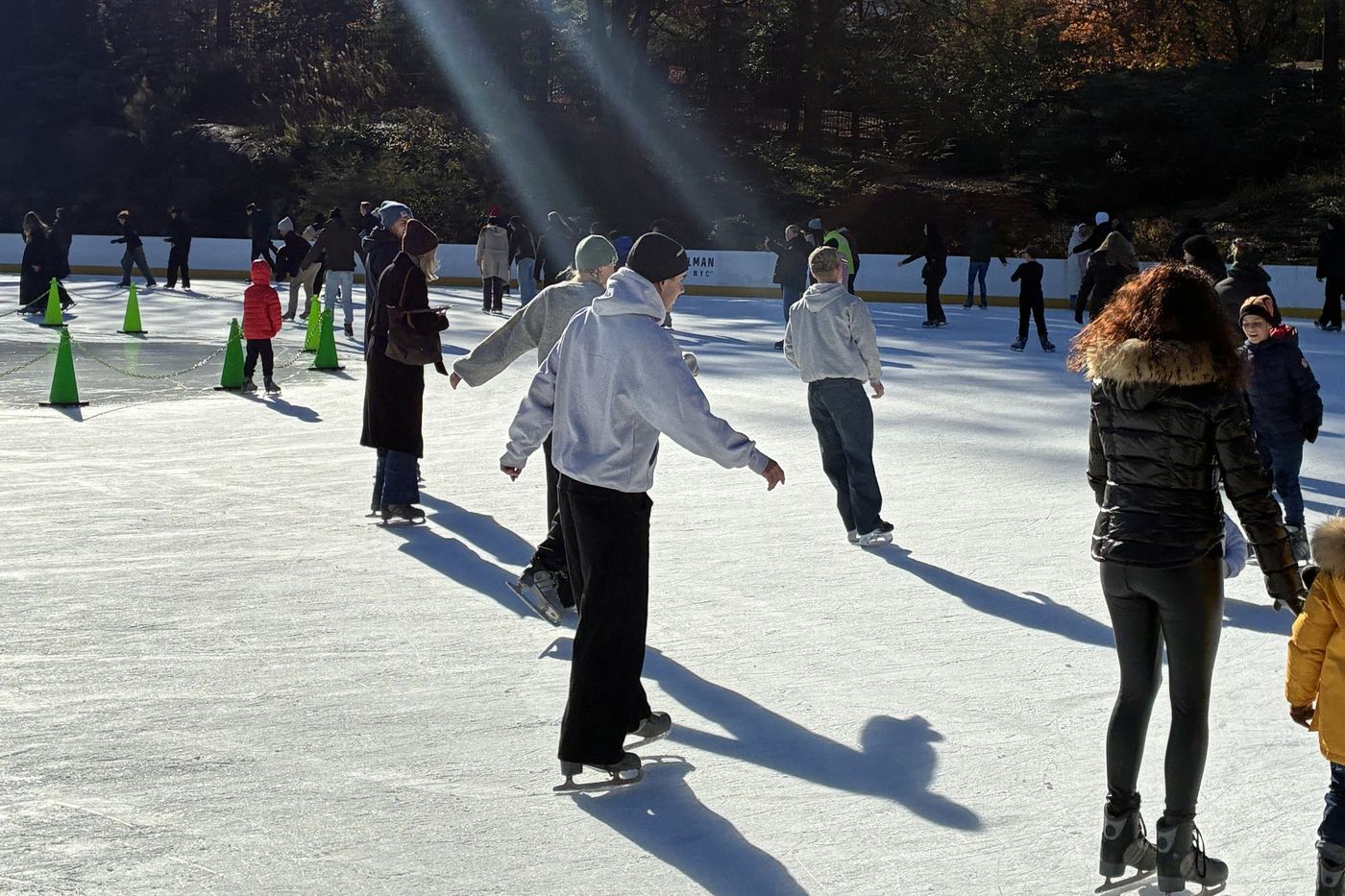
Somebody photographed this and thought nothing of it. It ran on page one.
Once a week, for as long as you like
She sees her kids again.
Every week, on paper, without her having to do a single thing. Free for the family, and free for her whatever happens.